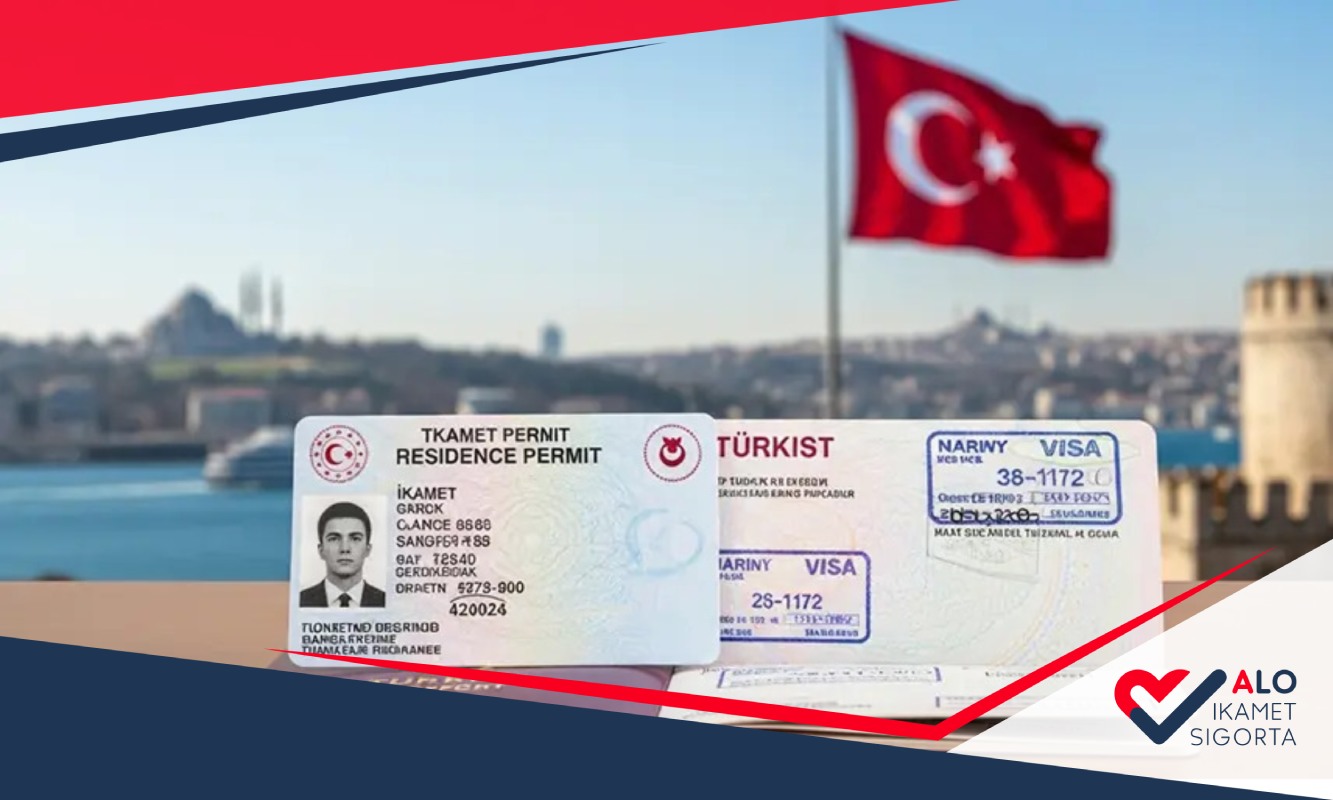
Law on Foreigners and International Protection: Low No. 6458 Turkey 2013

Written by Legal Advisor
The Law on Foreigners and International Protection (LFIP, Law No. 6458) was ratified by the Turkish Parliament on April 4, 2013. It regulates how non-citizens can enter, stay, and live in Turkey. It sets rules for residence permits, international and temporary protection, and mandatory health insurance, helping you stay legal and access healthcare.
The Law on Foreigners and International Protection (LFIP) was ratified by the Turkish Parliament on April 4, 2013. It regulates the rules for foreigners’ entry, legal stay, and exit from Turkey.
The law covers international and temporary protection for people forced to leave their home countries and establishes residence permits for short- or long-term stays, outlining rights and legal obligations. Among these, health insurance is mandatory for residence permits and helps ensure access to healthcare while maintaining compliance with Turkish law.
With AloIkametSigorta, you can obtain approved health insurance easily, streamline your residence permit application, and remain fully compliant with Turkish law.
ِA Glance at Law on Foreigners and International Protection
- Law No. 6458 of Turkey governs foreigners’ entry, stay, and exit.
- It covers refugees, conditional refugees, temporary protection beneficiaries, foreigners staying legally, and family members.
- Residence Permits include short-term, family, student, long-term, humanitarian, and work permits.
- Health Insurance is mandatory for all residence permits; can be private, SGK, or international (special cases).
- Legal stay must comply with visa or residence permit; overstay can lead to fines, deportation, or entry bans.
What Is the Law on Foreigners and International Protection (Law No. 6458)?
The Law on Foreigners and International Protection (Law No. 6458) is Turkey’s main legal framework regulating the entry, stay, and exit of foreign nationals. In force since 2014, it governs residence permits, international and temporary protection, deportation procedures, and migration management through the Presidency of Migration Management.
5 Main Branches under the Law on Foreigners and International Protection (Law No. 6458)
1. International Protection Under Turkish Law
Law No. 6458 establishes the legal framework for protecting individuals who cannot return to their home countries due to persecution, armed conflict, or serious threats to life within the International Protection Under Turkish Law.
Applicants are granted legal stay during the evaluation process and have the right to legal stay, basic healthcare, and education while complying with registration and residence rules.
They are protected from forced return; at the same time, they are required to register with migration authorities, comply with residence obligations, and follow administrative procedures related to their stay.
Turkey applies a geographical limitation to the 1951 Geneva Convention, which results in the division of international protection into the following categories:
- Refugee
Granted to individuals coming from European countries who face a well-founded risk of persecution based on race, religion, nationality, membership of a particular social group, or political opinion. - Conditional Refugee
Granted to individuals arriving from non-European countries. Beneficiaries may remain in Turkey temporarily until they are resettled in a third country. - Subsidiary Protection
Granted to individuals who do not meet the criteria for refugee status but would face serious harm if returned to their country of origin, such as the death penalty, torture, inhuman or degrading treatment, or violence arising from armed conflict.
2. Temporary Protection Law in Turkey
This status is activated for mass influxes of people (e.g., Syrians) who cannot return to their country. It provides a legal stay, access to basic services, and protection from forced return.
It provides immediate legal status without the need for individual asylum assessments.
Beneficiaries are allowed to remain legally in Turkey, receive identity documents, and access essential services including healthcare and education for as long as the emergency conditions continue. Compliance with registration and administrative requirements remains mandatory throughout the protection period.
3. Residence Permits and Legal Stay in Turkey
Covers all types of residence permits (short-term, family, student, long-term). To obtain or renew a permit, foreigners must have a valid passport, registered address, sufficient financial means, and approved health insurance. Legal residence is essential to avoid fines, rejection, or deportation.
Residence permits are a central pillar of the Law on Foreigners and International Protection. The law regulates all residence permit types, including short-term, family, student, long-term, and humanitarian permits.
4. Deportation and Administrative Detention Rules
The law clearly defines the grounds for deportation, including violations of visa or residence conditions, or situations where an individual poses a threat to public order, public security, or public health.
Deportation decisions are subject to due process, and foreign nationals have the right to appeal and seek legal remedies. Administrative detention may be applied only when necessary to carry out removal procedures and must comply with legal safeguards, time limits, and access to basic services such as healthcare.
5. Migration Authorities and Legal Oversight
Law No. 6458 established the Directorate General of Migration Management as the central authority responsible for migration governance in Turkey. Its responsibilities include handling visas, residence permit applications, international and temporary protection cases, deportation procedures, and migration policies.
All foreign nationals are required to complete their legal procedures through this authority to ensure full compliance with Turkish migration law.
Who Is Covered Under Law on Foreigners and International Protection (Law No. 6458)?
The law applies to several categories of individuals in Turkey:
- Foreigners in General: All non-Turkish citizens staying legally in Turkey for tourism, work, study, or other purposes.
- International Protection Applicants: People seeking refuge due to persecution, including refugees, conditional refugees, and beneficiaries of subsidiary protection.
- Temporary Protection Beneficiaries: Individuals arriving in mass influx situations, such as those fleeing conflict or humanitarian crises.
- Family Members: Foreign spouses and children (minors or dependent adults) of Turkish citizens or residence permit holders.
Under this legal framework, covered individuals are entitled to rights regarding, but not limited to, entry, stay, work permits, and access to health services. The law also dictates procedures for visas, residence permits, and deportation processes.
Rights and Obligations for Foreigners Under LFIP
Under Turkey’s Law on Foreigners and International Protection (LFIP No. 6458), foreign nationals enjoy several key rights while also assuming important responsibilities:
- Non-Refoulement: Prohibits returning individuals to a country where their life, liberty, or safety would be at risk (Article 4).
- Administrative Authority: The Presidency of Migration Management, under the Ministry of Interior, oversees all migration procedures.
- Appeals: Foreigners can challenge deportation orders or residence permit rejections in administrative courts, usually within seven days of notification.
- Obligations: Register with authorities, maintain a valid residence or visa status, provide accurate documentation, and hold required health insurance.
Entry, Visa, and Legal Stay Rules for Foreigners in Turkey
Laws on foreigners regulate how non-citizens can enter, stay, and reside legally in a country. They require valid visas or residence permits, set rules for work and registration, and define penalties like fines or deportation for violations. Temporary, long-term, and special residency types are also specified.
Entry and Visas to Turkey under LFIP
All individuals seeking access to Turkey must meet the legal entry requirements set by Turkish immigration law. Legal entry means entering Turkey through official border points with a valid passport and the required visa, residence permit, or visa exemption. Visa requirements depend on nationality: some foreigners can enter visa-free for short stays, while others must obtain a visa before arrival.
2026 Updates on Entry and Visa Rules
- Passport Validity: Must be valid for at least 60 days beyond your intended stay. Six months is recommended.
- 90/180 Rule: Tourists from visa-exempt countries (e.g., US, UK, EU) can stay up to 90 days within any 180 days.
- E-Visa: Still available for eligible nationalities via the official portal, for tourism or trade purposes only.
- Entry Refusal: Authorities may deny entry if documents are invalid, if the individual poses a risk to public order or security, or if entry conditions are unmet.
Legal Stay in Turkey under LFIP
Foreigners planning to stay beyond the permitted visa or exemption period must apply for a residence permit through the e-Ikamet system before their legal stay expires. Legal stay requires complying with visa durations or holding a valid residence permit (İkamet).
A Turkey Residence Permit (İkamet) is an official ID card issued by the Directorate of Migration Management, mandatory for foreigners staying longer than 90 days or the visa-exempt period within 180 days. It allows legal residency for tourism, work, study, or property investment.
Overstay Penalties under LFIP
Overstaying a visa or residence permit may lead to administrative fines, deportation, and entry bans ranging from 3 months up to 5 years, depending on the duration and severity of the violation. Foreign nationals who overstay their visa, work without authorization, or fail to apply for a residence permit when required are considered to be staying illegally. This may result in fines, residence permit rejection, deportation, or entry bans.
Residence Permits Under LFIP Turkish Law
Foreigners intending to stay in Turkey for more than 90 days within a 180-day period, whether for tourism, study, work, or residency, must obtain a Turkish residence permit under the Law on Foreigners and International Protection (LFIP No. 6458). This requirement applies to almost all non-citizens, including those under temporary or international protection, who must register with provincial authorities via the e-Ikamet system.
Types of Residence Permits in Turkey
- Short-Term Residence Permit: Typically valid for up to 2 years. Commonly issued for tourism, property ownership, business purposes, or medical residence permits.
- Family Residence Permit: For foreign spouses and children of Turkish citizens or foreigners holding a valid residence permit.
- Student Residence Permit: For foreigners enrolled in primary, secondary, or higher education
- educational institutions in Turkey.
- Long-Term Residence Permit: Granted to individuals who have legally resided in Turkey continuously for at least 8 years. This include
- Humanitarian Residence Permit: Issued under special circumstances or emergencies when returning to the home country is not possible.
- Work Permit (Çalışma İzni): Functions as both a work authorization and a residence permit. Must be obtained through the Ministry of Labor and Social Security.
-
Real Estate Residence Permits: Minimum property value for eligibility is now standardized at USD 200,000 across all Turkish cities. Commercial residence permits allow foreigners to obtain legal residence through property ownership.
-
Long-Term Residence Permit in Turkey: A Long-Term Residence Permit in Turkey is an indefinite, non-renewable permit granted to foreign nationals who have legally and continuously resided in the country for at least 8 years. It offers similar rights to citizens, including the right to work, but excludes voting. Applicants must demonstrate stable, self-sufficient income, no recent social aid, valid health insurance, and a clean criminal record.
Requirements for Residence Permits (İkamet) in Turkey
Under the Law on Foreigners and International Protection (LFIP) No. 6458, key requirements for residence permits include:
- Application Form: A signed, printed copy from the e-İkamet online system.
- Passport: The original plus color photocopies of the data page, any relevant visa pages, and the most recent entry stamp.
- Biometric Photos: Four (4) recent photos with a white background.
- Health Insurance: A Turkish-issued policy covering the entire duration of the requested permit.
- Proof of Financial Sufficiency: Typically, a stamped statement from a Turkish bank. Single applicants must show a monthly income of at least 1.5 times the Turkish national minimum wage.
- Proof of Address: A notarized rental agreement (certified by a Notary Public) or a property title deed (Tapu).
Health Insurance for Residence Permit in Turkey
Under Law No. 6458 on Foreigners and International Protection, valid health insurance is mandatory for nearly all residence permit (İkamet) applications in Turkey. It must cover the entire duration of stay. Applicants must hold a foreign health insurance, either a compliant private policy or Turkish public insurance (SGK). Without valid insurance, applications are refused. It is mandatory for all types of residence permits in Turkey, including short-term, family, and student permits.
Types of Residence Permits Insurance in Turkey
To meet the legal requirement, residence permit applicants can use:
- Private Health Insurance – locally issued policies approved for residence purposes.
- SGK (Governmental Social Security) – for employees or those legally insured through work.
- International Health Insurance – accepted for special cases, such as diplomats or temporary protection beneficiaries.
All these types are long-term insurance. On the other hand, the traveller insurance, short-term insurance, can not be used for a residence permit.
How to Apply for Foreign Health Insurance with AloIkametSigorta?
With AloIkametSigorta, you can apply online directly and get your health insurance immediately. Using approved insurance providers through AloIkametSigorta ensures your application meets legal standards and reduces the risk of rejection.
FAQs Law on Foreigners and International Protection
What are the rules for foreigners in Turkey?
Foreigners must have a passport valid for at least 60 days beyond their stay. Tourists can stay up to 90 days in any 180 days, usually via e-Visa. Longer stays require a residence permit (İkamet). Carry ID, obey local laws, and don’t work without a permit.
How long can a foreigner stay in Turkey?
Most foreigners can stay 90 days within 180 days for tourism or business. Some nationalities have shorter limits. Stays beyond this require a short-term residence permit.
How to apply for international protection in Turkey?
Apply in person at the Provincial Directorate of Migration Management (PDMM) in the city of entry to seek international protection.