
Written by Legal Advisor
According to Turkish Law No. 6458, all foreigners who plan to stay in Turkey beyond the 90-day visa period must obtain a residence permit from the Directorate General of Migration Management. Whether you’re a student, investor, or long-stay tourist, getting your Ikamet (residence permit) is essential for living, working, and studying legally in Turkey.
There are six types of residence permits, varying by purpose, duration, and eligibility. Applications start online through the official government platform, but you first need to prepare your health insurance, biometric photos, proof of accommodation, and documents specific to each permit type.
In this guide, we break down the types, requirements, costs, and step-by-step application process for 2026, so you can secure your residence permit smoothly, without surprises or delays.
At Aloikametsigorta, we assist with health insurance coverage and guide you through every step of the e-Ikamet application to ensure a smooth process.
What is a Residence Permit (Ikamet) in Turkey under Law No. 6458?
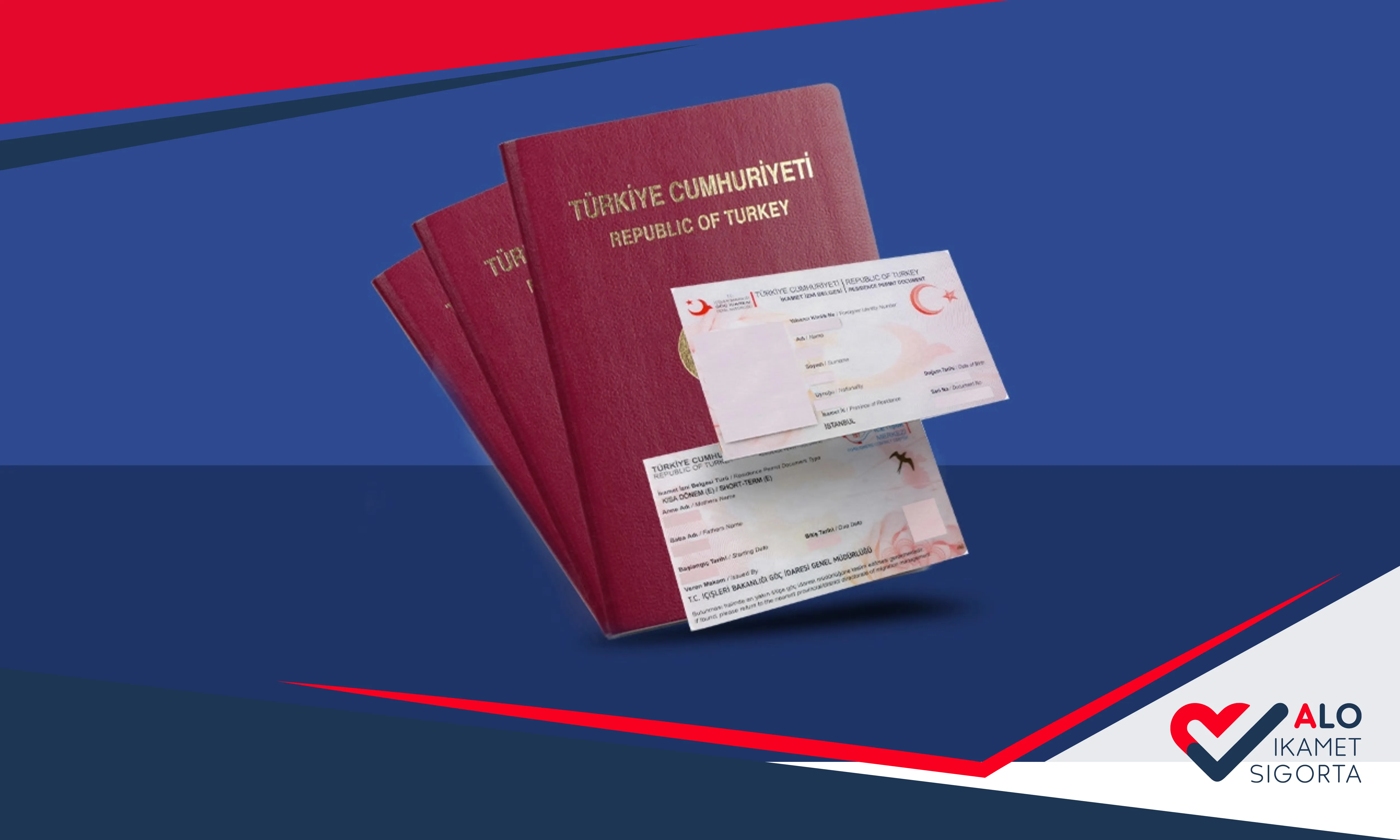
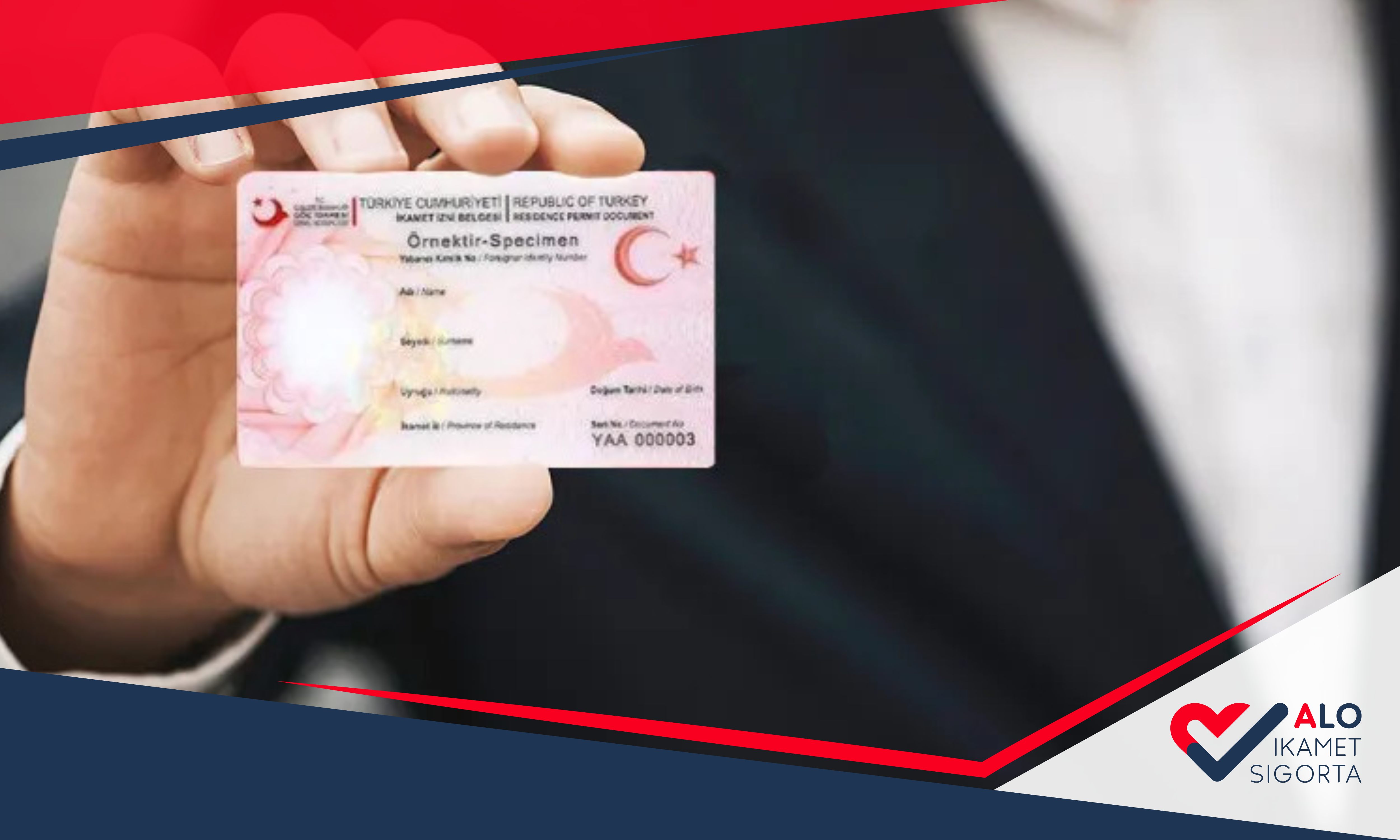
A Residence Permit in Turkey (Ikamet) is an official and mandatory document for non-Turkish citizens who plan to stay in the country for more than 90 days within 180 days or the allowed visa-exemption periods, providing foreigners, as regulated by Law No. 6458 on Foreigners and International Protection, allowing the foreigner the legal right to live in the country according to their specific needs.
The Ikamet allows foreigners to legally reside in Turkey for various purposes, such as tourism, education, work, or family reunification. Depending on the individual's situation, the residence permit can be short-term or long-term, each with its own rights and obligations.
Applications are processed online through the e-Residence (e-Ikamet) system and require essential documents such as a passport, health insurance, and proof of accommodation.
Who Needs to Get a Residence Permit in Turkey?
- Long-Stay Tourists: Individuals planning to stay in Turkey for more than 90 days for tourism purposes.
- Property Owners: Foreigners who have purchased real estate in Turkey.
- Students: International students enrolled in Turkish educational institutions.
- Investors & Business Owners: Those establishing a business or making investments in the country.
- Family Members: Foreign spouses and children of Turkish citizens or legal residents.
- Medical Treatment Visitors: Individuals coming to Turkey for health-related reasons.
- Job Seekers & Workers: Those authorized to work in Turkish companies with a valid work permit.
Residence Permit Types in Turkey (Ikamet Types)
According to the Law on Foreigners and International Protection No. 6458, Turkey offers six main types of residence permits, categorized by the purpose of stay. These include short-term permits, which cover tourism or property ownership, family residence permits, student permits, long-term residence permits, humanitarian permits, and permits for victims of human trafficking.
All of these permits are issued and managed by the Presidency of Migration Management, and their durations and conditions vary depending on the reason for staying in Turkey.
1. Short-Term Residence Permit
Short-term permits are ideal for foreigners who wish to stay in Turkey for purposes such as tourism, property ownership, or short-term work or study. These permits generally last up to one year and can be renewed depending on the applicant’s circumstances. They provide the legal right to live in Turkey while maintaining flexibility for temporary stays.
- Tourism Residence Permit: Issued for 1–2 years per instance; does not require continuous stay in Turkey.
- Business & Investor Residence Permit: Issued for 3 months; does not require continuous stay, ideal for business purposes.
- Medical Residence Permit: Issued to foreigners entering Turkey on a medical visa for hospital treatment.
- Real Estate Residence Permit: For foreigners who own property in Turkey, allows continued stay, renewable for each extension period.
2. Family Residence Permit
Family permits allow spouses, children, or dependent family members of Turkish citizens or residence permit holders to legally live in Turkey. The duration of the permit usually matches the sponsor’s residence permit, and it ensures that families can stay together while complying with Turkish immigration law.
3. Student Residence Permit
Student permits are issued to foreigners enrolled in Turkish universities, vocational schools, or recognized educational programs. These permits are valid for the duration of the study program and can be renewed each academic year. They allow students to legally reside in Turkey while pursuing their education.
4. Long-Term Residence Permit
Long-term residence permits are granted to foreigners who have legally resided in Turkey for at least eight years under a short-term permit or have met other eligibility criteria. This permit offers more stability, easier renewal processes, and access to certain rights similar to those of Turkish citizens, such as easier property ownership and social security eligibility.
5. Humanitarian Residence Permit
Humanitarian permits are designed for foreigners who require protection due to natural disasters, political instability, or other urgent humanitarian reasons. These permits allow affected individuals to reside legally in Turkey for a defined period, providing safety and access to basic services.
6. Permits for Victims of Human Trafficking
Special residence permits are issued to victims of human trafficking, offering legal protection, temporary residency, and access to support services while authorities investigate their cases. These permits help victims remain in Turkey safely and receive necessary assistance.
Is a Work Permit in Turkey Considered a Residence Permit?
Yes, a valid work permit in Turkey is legally considered a residence permit, allowing holders to live and work in the country without needing a separate residence document. It functions as both, and the work permit ID card (typically containing a 99-series number) grants legal residence for the duration of its validity.
What is the Difference Between a Work Permit and a Residence Permit?
A residence permit in Turkey allows foreigners to live legally in the country for purposes like tourism, study, or family reunification, but it does not grant the right to work. In contrast, a work permit allows foreigners to work legally and also serves as a residence permit for the duration of employment. While residence permits are applied for directly by the individual, work permits are typically applied for by the employer.
Who Can Stay in Turkey Without a Residence Permit?
1. Visa/Visa-Exempt Visitors: All foreigners can stay in Turkey without a residence permit for up to 90 days within 180 days if they hold a valid visa, e-visa, or visa exemption based on their nationality.
2. Work Permit Holders: A valid work permit also serves as a residence permit, allowing the holder to live and work legally in Turkey for its duration.
3. Citizens of Certain Countries with National IDs: Nationals from Germany, Belgium, France, Georgia, the Netherlands, Spain, Switzerland, Italy, TRNC, Liechtenstein, Luxembourg, Malta, Portugal, and Greece can enter with a national ID card and stay up to 90 days.
4. Individuals with Special Circumstances: Foreigners visiting for short-term programs, research, or internships via public institutions for less than 90 days may be exempt.
5. Journalists: Accredited journalists on specific assignments may have exemptions, but generally the 90-day limit applies.
What Are the Benefits of Getting an Ikamet in Turkey
An Ikamet allows foreigners to legally reside in Turkey, providing access to essential services such as healthcare, education, banking, and the ability to buy property or a car. It also facilitates unrestricted travel in and out of the country, supporting long-term living, studying, or business ownership.
Key benefits of obtaining an Ikamet include:
- Long-Term Residency: Stay in Turkey beyond the standard tourist visa duration, often issued for one year or more, allowing a more settled lifestyle.
- Freedom of Movement: Enter and exit Turkey freely without repeated visa applications, even during travel restrictions.
- Access to Services: Open bank accounts, obtain a Turkish driver’s license, and secure utilities such as internet, electricity, and water.
- Healthcare & Education: Access public and private healthcare, and allow children to attend local schools.
- Property & Business: Purchase property, vehicles, and establish businesses more easily.
- Path to Citizenship or Permanent Residence: Regular renewal of an Ikamet can be a step toward permanent residency or Turkish citizenship.
How to Get a Residence Permit in Turkey in 2026
To get a residence permit in Turkey for stays exceeding 90 days, you must apply online through the Directorate General of Migration Management (e-Ikamet) before your visa or visa-exemption period expires.
The residence permit application is primarily done through the e-Ikamet portal, which allows foreigners to submit their application, upload required documents, and schedule an in-person appointment at the local immigration office. Once your application is submitted online, you must attend the appointment to present the original documents and complete the process. After approval, your Residence Card is issued and sent to your address in Turkey.
Steps of Residence Permit Application in Turkey
- :Register and submit your application online
Begin by creating an account on the e-Ikamet portal and filling out the application form carefully. Upload all required documents, including your passport copy, biometric photos, proof of address, and health insurance. Make sure all documents meet the official requirements to avoid delays. - :Schedule an in-person appointment
After submitting your application, select a convenient date for your appointment at the local Göç İdaresi (immigration office). This appointment allows authorities to verify your documents and confirm your eligibility for the residence permit. - :Attend the appointment at the Provincial Directorate of Migration Management
On the scheduled date, bring the original versions of all submitted documents. You may be asked a few questions regarding your stay or purpose in Turkey. Once the documents are verified, your application is officially processed. - :Receive your Residence Card
Once approved, your Residence Card will be issued and sent to your Turkish address. This card serves as proof of legal stay and must be carried whenever required. Keep track of the card’s expiration date to ensure timely renewal.
How the Applying for Residence Permit Varies by Ikamet Type?
- If you hold a short-term residence permit for tourism, medical treatment, or property ownership, you should apply online well before your visa or visa-exemption period expires, usually at least 30 days in advance.
- If you are a student or planning to stay for education and are currently outside Turkey, you can apply through the Turkish consulate or embassy in your home country before arriving.
- For long-term, family, humanitarian, or work permits, the application is done online via the e-Ikamet portal from within Turkey, followed by an in-person appointment to submit your original documents and complete the process.
Turkey Residence Permit Requirements 2026
Turkey residence permit requirements include proof of accommodation with address, valid health insurance, and demonstrated financial stability, with 2026 rules emphasizing documented income. You will also need a completed online application, biometric photos, and a notarized rental contract.
- Application Form: Signed and printed.
- Passport: Original and copy (must be valid for at least 60 days beyond the requested permit duration).
- Biometric Photos: Four (4) photos taken within the last six months.
- Proof of Address: Notarized rental contract, hotel reservation, or title deed (Tapu) for property owners.
- Health Insurance: Valid, Turkish-approved health insurance policy.
- Financial Proof: Bank statements or documents showing sufficient funds.
- Fees: Receipts for residence permit and card fee payments.
Specific Requirements byTypes of Residence Permits
|
Permit Type |
Key Requirements & Updates |
|
Short-Term (Tourist) |
Requires a detailed travel itinerary and confirmed hotel or travel bookings. Renewals are now strictly limited and rarely approved for pure tourism purposes. |
|
Real Estate |
Property must be used for residential purposes. As of late 2023, the minimum property value is $200,000 nationwide. |
|
Student |
Requires a valid Student Certificate (Öğrenci Belgesi) from a recognized Turkish higher education institution. |
|
Family |
For spouses and minor children of Turkish citizens or valid permit holders. Requires marriage/birth certificates and proof of the sponsor’s sufficient income. |
|
Long-Term |
Available for those with 8 years of continuous legal residence. Requires proof of no social aid in the last 3 years and a clean criminal record. |
Tracking Your Residence Permit Application
After submitting your residence permit application and attending your in-person appointment, you can track its status online through the e-Ikamet portal. Log in to your account to see updates on your application, such as verification of documents, approval status, and estimated delivery of your residence card. Processing times may vary depending on your permit type, location, and seasonal workload at the Provincial Directorate of Migration Management. Typically, short-term permits take a few weeks, while more complex applications like work or family permits may take longer.
Turkey Residence Permits Cost in 2026
A 1-year Turkish residence permit typically costs between $200 and $500 in total, depending on nationality and type of permit. The cost breakdown generally includes:
- Application Fees: $80–$150 (varies by nationality)
- Residence Permit Card Fee: $25
- Mandatory Health Insurance: $30–$90
- Notary, Document Fees: $75
- Single Entry Visa (if required): $150
Cost of Turkey Residence Permits Renewal (2026)
Renewing a Turkish residence permit (Ikamet) in 2026 involves several fees:
- Residence Permit Card Fee: $25–$30
- State Fee (by nationality): $5–$25 for first month, then $0.50–$5 per month
- Mandatory Medical Insurance: $90 approx. per year
- Optional Notary or Translation Fees: $75 approx.
Cost by Residence Permits Type
|
Permit Type |
Cost (TL) |
Cost (USD) |
|
Short-Term / Tourist |
810 TL + 1,000–3,000 TL insurance |
$25 + $30–$90 insurance |
|
Student |
565 TL + 1,000–2,000 TL insurance |
$20 + $30–$60 insurance |
|
Family |
810 TL + 1,000–3,000 TL insurance |
~$80–$150 + insurance |
|
Work |
~13,000 TL + insurance optional |
~$420 + optional insurance |
|
Investor |
810 TL + 4% property tax + 1,000–3,000 TL insurance |
~$80–$150 + tax + insurance |
Residence Insurance in Turkey for Residence Permit ( Ikamet) 2026
In 2026, a valid, private health insurance is a mandatory requirement for obtaining a Turkish residence permit (Ikamet) for foreigners aged 18–65, covering the entire duration of the permit. The policy must comply with specific legal standards (Circular no 9, dated 06/06/2014) and be issued by a licensed Turkish insurance company to be valid for application.
It must be a specialized policy from a licensed Turkish provider, covering at least 1 year (or 2 years max). Mandatory coverage includes inpatient (limitless in contracted hospitals) and outpatient (min 2,000 TL annually) services.
What are the 2025-2026 Updates for Residence Permits in Turkey?
- Health insurance is now mandatory with minimum coverage requirements.
- Real estate residence permits: Minimum property value standardized at $200,000 across all cities.
- Tourist residence permits: Renewal or issuance is difficult without clear documentation of purpose (travel plans, bookings, etc.).
- Some neighborhoods are closed to new residence permit applications.
- Document verification is stricter, including proof of income, rental contract, and address.
- Work permits do not automatically grant work rights; a separate Work Permit is required, which also serves as a residence permit.
Get Your Residence Permit and Health Insurance Easily with Aloikametsigorta
If you want to get your residence permit and health insurance in Turkey quickly and without hassle, our team at Aloikametsigorta can handle the process from start to finish. Contact us today to get started.
FAQs About Residence Permit in Turkey
How do I get a residence permit in Turkey?
To stay in Turkey for more than 90 days, you must apply for a residence permit (Ikamet) online via the e-Ikamet portal before your visa or visa-exemption period expires.
What are the new rules for Turkish residence permits?
As of 2025–2026, Turkey requires stricter compliance: a minimum $200,000 property investment for short-term permits, limitations on rental contracts for renewals, and a maximum 120-day absence from Turkey to maintain residency.
How fast can you get a residence permit in Turkey?
Applications are usually processed within 15–90 days after your appointment. The Ikamet card is typically mailed 15–20 days after approval, though the legal maximum processing period is 90 days.
How much money do I need to get residency in Turkey?
For short-term residence via real estate, applicants generally need to purchase property worth at least $200,000. Additional costs include health insurance, permit fees, and document notarization